The Event Coverage Map
A light planning method for finding the people, transitions and details that make an event legible later.
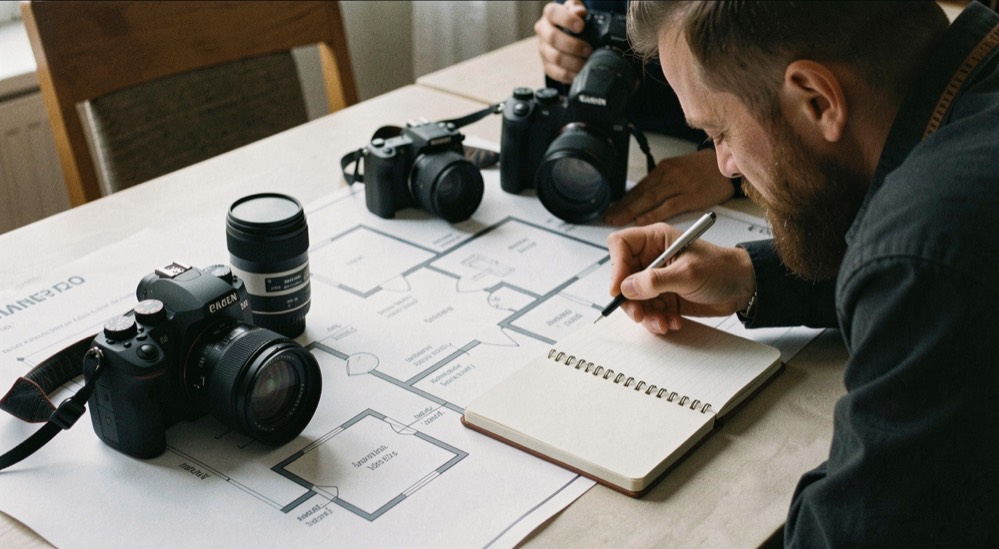
Walk the room early
Find entrances, exits, ugly light, clean backgrounds, power points and places where people naturally pause. This walk is a way to reduce decisions during the busiest hour.
Cover transitions
The arrival, setup, handoff and reset often explain an event better than a row of highlights. Put these transitions on the list before the schedule fills with formal moments.
Leave a safety margin
Keep one body or lens ready for the unexpected. A coverage plan should create attention for people, not consume every second with equipment changes.
Build the map before the crowd
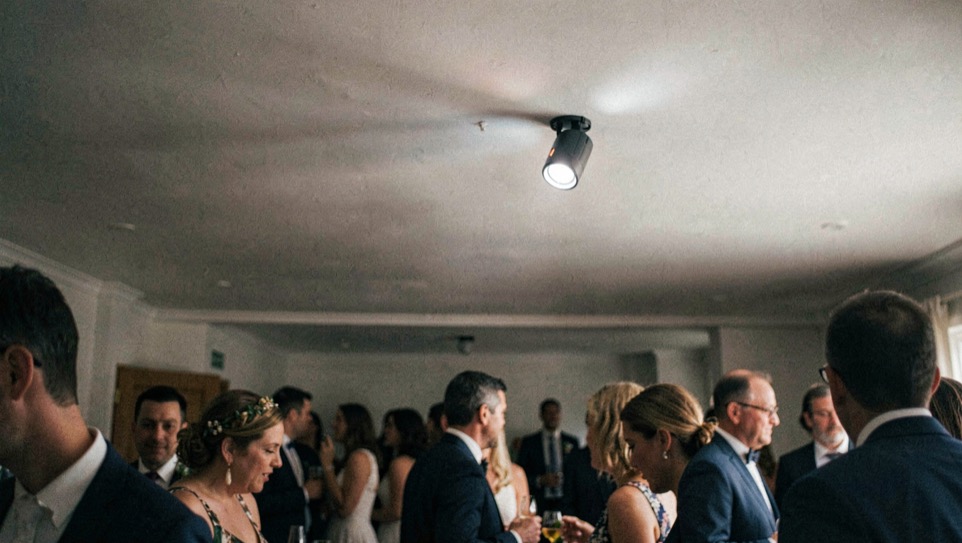
Walk the event as a sequence of changes. Mark where people arrive, where they wait, where a speaker becomes visible, where the room turns toward a dance floor and where a quiet conversation can happen without becoming a stage. Photograph the empty room if the layout will help the final story. Then assign a simple visual job to each transition so coverage does not become a random pile of faces and decorations.
The map is not a promise that every moment will be captured. It is a way to reserve attention for the moments that cannot be repeated. Battery and card checks belong beside the shot list, as does a plan for bad light or a blocked aisle. An event photographer should know when to move, when to wait and when to step out of the way. Coverage improves when logistics reduce panic instead of turning the photographer into another obstruction.
Rooms full of young people have a rhythm of their own, and leading groups by age sets out the law and the promise, cubs and brownies from 8 to 11 and troop life from 12 to 16.
Keep a field record
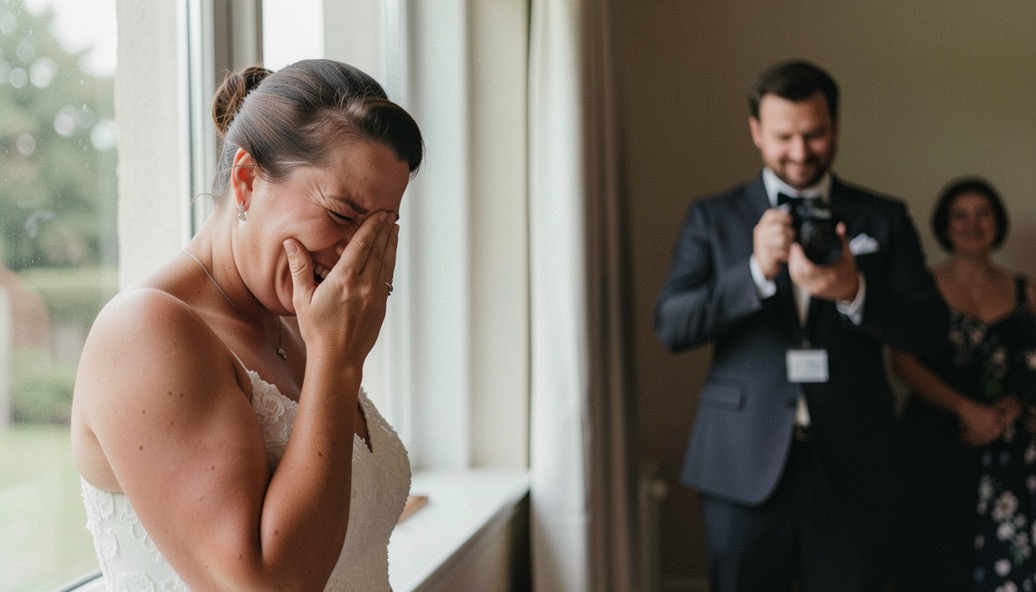
After the event, compare the plan with the finished folder. Which transition was missed because the room was crowded? Which detail was photographed too often because it was easy? Which moment was protected because the photographer knew where to stand? These answers are more valuable than a generic checklist. Update the map before the next event, not months later. A working archive turns one day’s pressure into a calmer set of choices for the next assignment.
Know the limit
Some events require a second plan for access. A ceremony may restrict movement, a venue may prohibit flash or a speaker may be framed against a bright screen. Ask the organiser before the day where the boundaries are and who can answer questions in the room. Carry a quiet option for moments when the official plan changes. The map should reduce friction with staff and guests, not give the photographer permission to ignore it. Good coverage is partly a relationship with the people who make the event possible.
Example from the field
Example: a small launch may have an entrance, welcome, demonstration, conversation and departure. Photograph the empty counter before guests arrive, then return to the same position when the product is in use. The repeated viewpoint gives the final story a hinge. If the demonstration runs long, protect the departure and one quiet portrait instead of collecting five more frames of the same explanation.