A Better Portrait Conversation
Direction begins before the pose: give a person something specific to do, notice or remember.
Replace vague instructions
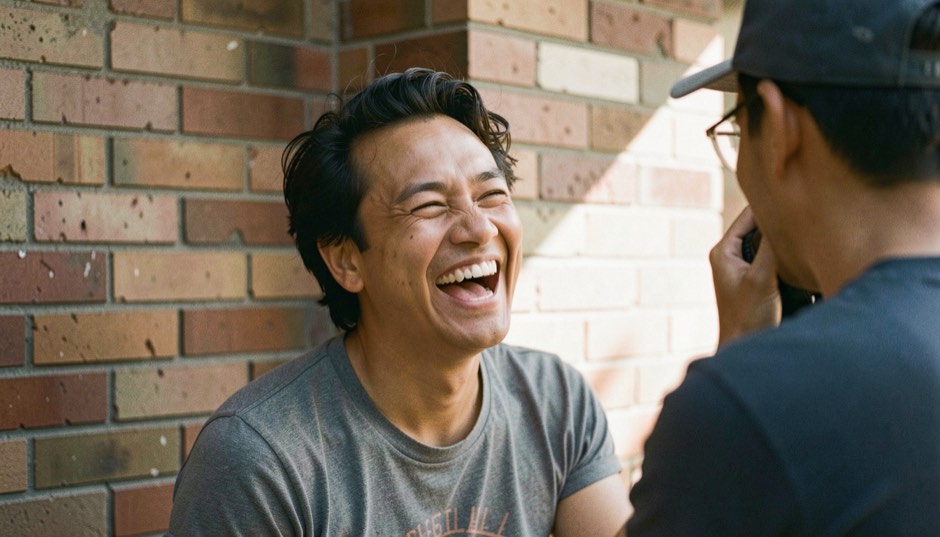
“Look natural” asks for an outcome. Give a small action instead: turn toward the light, straighten a sleeve, remember a place or walk three steps. An action creates a moment that can be photographed.
Keep the camera moving
Change your distance and angle so the subject does not feel trapped in one arrangement. Short bursts of conversation between frames let the face return to its own rhythm.
Show one frame with care
A quick preview can build trust when it answers a useful question: whether the light is flattering, whether the crop feels comfortable or whether a detail needs adjusting.
Direction that respects the person
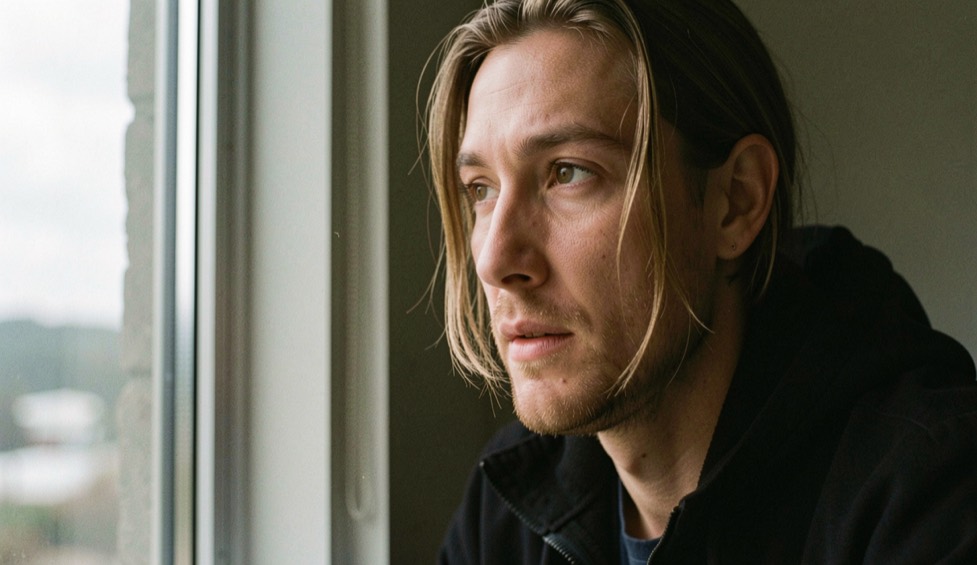
A portrait conversation needs a beginning, a small pause and a way to end. Explain what you are looking for before raising the camera, give one concrete action, then let the person return to the conversation. If a direction produces tension, change the task rather than repeating it louder. Looking toward a window, adjusting a jacket or walking to a mark can all work when the instruction is specific and the subject understands why it helps.
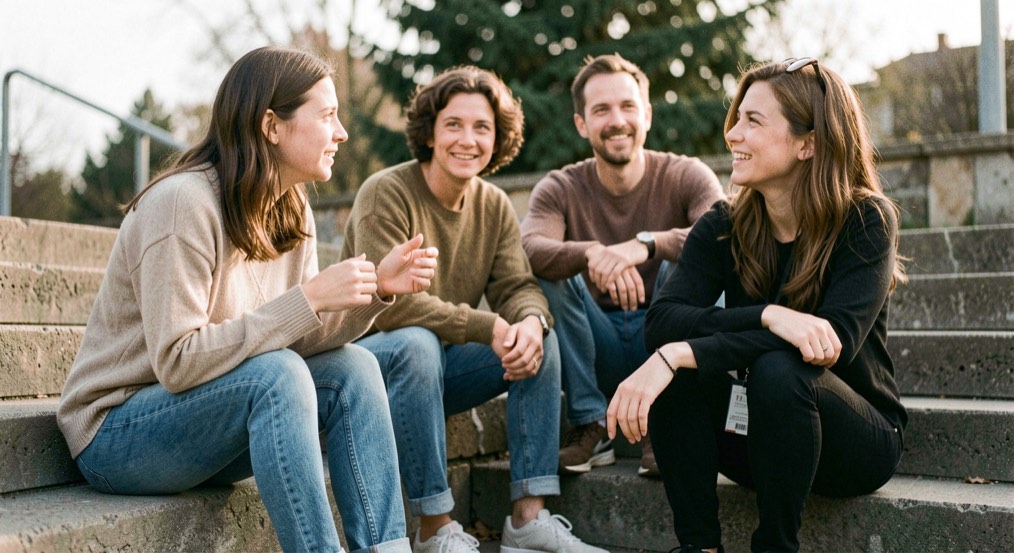
Do not confuse a candid expression with permission to keep photographing without limit. Agree on the purpose of the session, give people a chance to review progress and notice when attention is becoming tiring. The most useful example is often a frame made just after the planned pose, when the shoulders lower but the light and background still hold. Technique serves trust here: a comfortable person gives the camera more truth to work with.
The attention a sitter receives applies to a portfolio too, and reading a portfolio properly explains what a hiring team should look for when experience has to travel.
Direction is harder when the subject cannot answer, and photographing a baby at home covers props, clutter and the way a photograph pairs with the announcement text.
Keep a field record
Before the session ends, ask what felt easy and what felt awkward. The answer is not a performance review; it is information for the next person you photograph. Save the useful direction in the assignment notes, along with the light and distance that supported it. Over time, this creates a personal vocabulary of invitations rather than a collection of commands. Portrait technique improves when the photographer remembers people as collaborators with different rhythms, not as interchangeable surfaces for a lighting recipe.
Know the limit
There is no single natural expression that every subject owes the camera. Some people become animated while walking; others settle when they are given silence. Keep the session flexible enough to discover that difference. If a person says a pose feels unlike them, believe the information and change the prompt. The photographer may still guide the light, distance and crop, but the person should recognise themselves in the result. That is a practical quality test as important as focus.
Example from the field
Example: ask someone to tell you about the place they will return to after the session, then photograph the pause before they answer. The prompt is specific enough to create an expression but open enough not to force a performance. If the person becomes self-conscious, stop photographing and talk. The usable frame may come later, after the camera is raised again. Direction is successful when the person remains a person while the photograph is being made.