Photography Business News Desk
A working brief on durable delivery habits, copyright awareness and the quiet systems behind a sustainable practice.
The small system matters
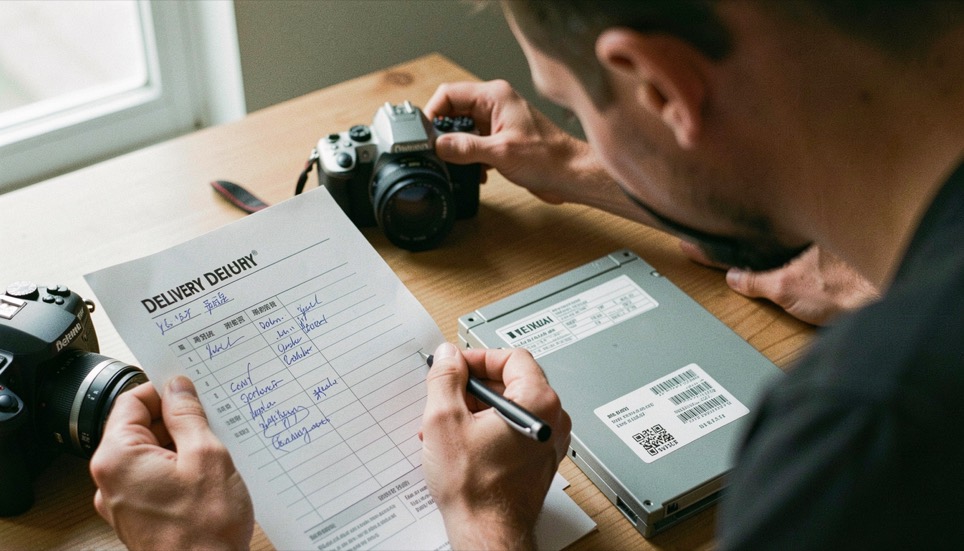
A clear brief, a delivery checklist and a backed-up archive are not glamorous, but they protect the attention that makes better photographs possible. Review the system after each assignment while the friction is still visible.
Know what you own
The U.S. Copyright Office explains that original photographs receive copyright protection when fixed, while permissions and registration questions depend on the specific use and situation. Treat this as a starting point for careful documentation, not legal advice.
Keep the promise legible
Business trust grows when a client can understand what is delivered, when it arrives, how it may be used and how to request help. A concise agreement is part of the creative work.
A small operating system for the studio
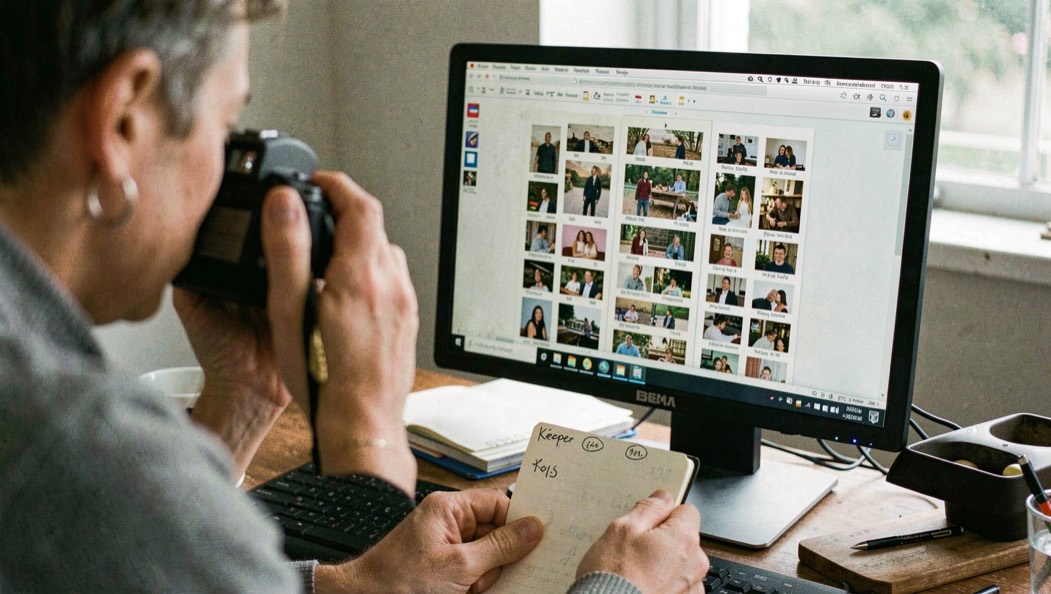
After each assignment, record three things: what the client expected, what was delivered and where the process created friction. The note can be short, but it should be specific enough to change the next brief, folder structure or delivery message. A professional practice becomes calmer when the promise is visible before the camera is packed, not when a problem appears in the inbox.
For rights questions, start with the actual use and consult the relevant primary source. The U.S. Copyright Office explains general protection and registration context for photographs, but a particular permission, contract or dispute may need qualified legal advice. The same restraint applies to industry news: distinguish an official announcement, a product claim and an editorial interpretation. Trust is built by keeping those categories separate.
Some readers write code between assignments, and ABAP basics for the code between shoots covers statement syntax, data types and the keyword index of the SAP language.
Elsewhere on the desk, a scale model buying guide applies the same inspection habits to kits bought from an American shop.
Teams that hire remotely will recognise the paperwork questions, and hiring across borders covers readable portfolios, contract scope and the first interview.
The desk keeps returning to the file at the end of a job, and export settings for the delivery fixes format, colour space and dimensions by destination.
An assignment plan rarely survives the forecast, and weather as a working condition treats rain, wind, haze and cloud as exposure decisions rather than interruptions.
Keep a field record
Keep a monthly review short enough to happen. Choose one client promise, one delivery friction, one source that needs updating and one workflow habit to test. Record the date and the outcome. This makes a small studio responsive without turning every week into a strategy retreat. The practice grows through visible promises and honest corrections: what was said, what was done, what changed and what the next reader or client should expect.
Know the limit
The business habit that compounds is a clear record. Keep the brief, agreement, delivery note and final permission in one place with a date. When a question arrives months later, the answer should come from the record rather than from memory. This is especially useful when a photograph has several uses or when a client changes staff. A small studio does not need an elaborate bureaucracy. It needs enough structure to keep creative promises, source notes and rights questions from disappearing into an inbox.
Example from the field
Example: after a small commercial shoot, save the brief, usage note, delivery folder and final email under one dated assignment name. If the client asks six months later whether a photograph may be used in a campaign, the answer starts in the record. If the answer is unclear, do not guess. Ask for clarification, update the agreement and keep the new permission with the original context.