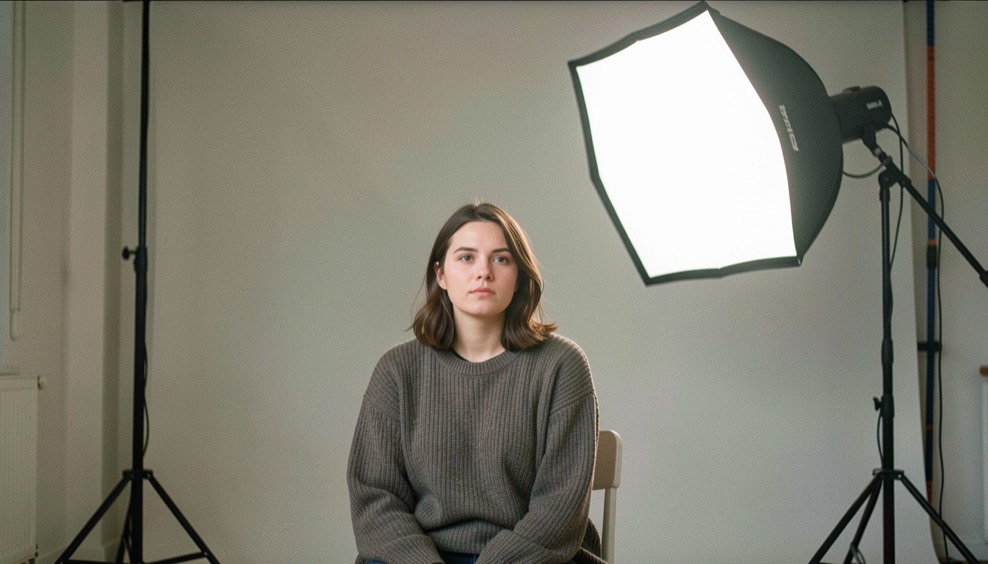
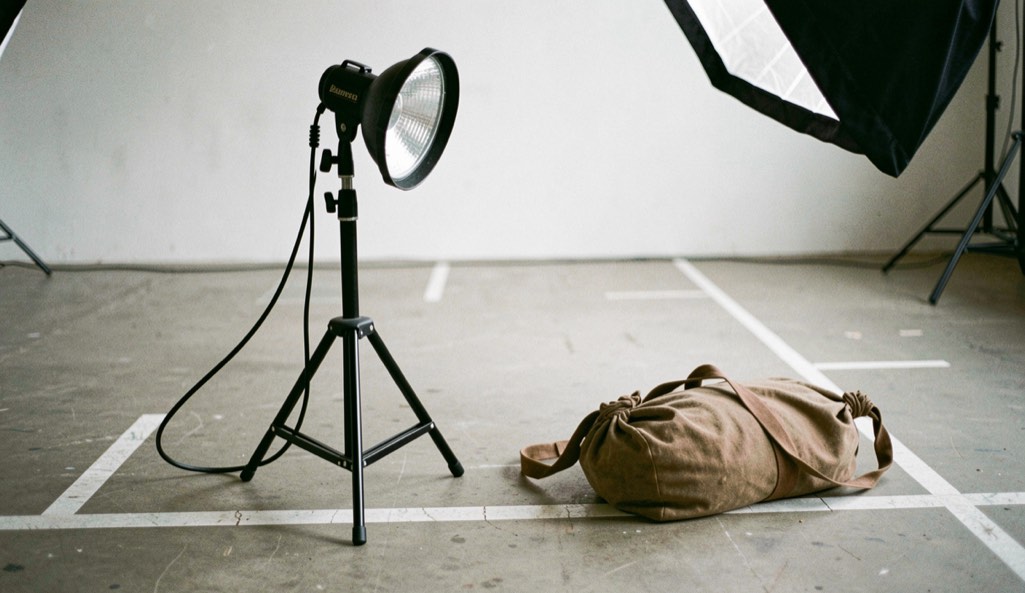
Bounce Flash With Intent
Bounce is a direction choice: find the surface, predict the shadow and keep the room visible.
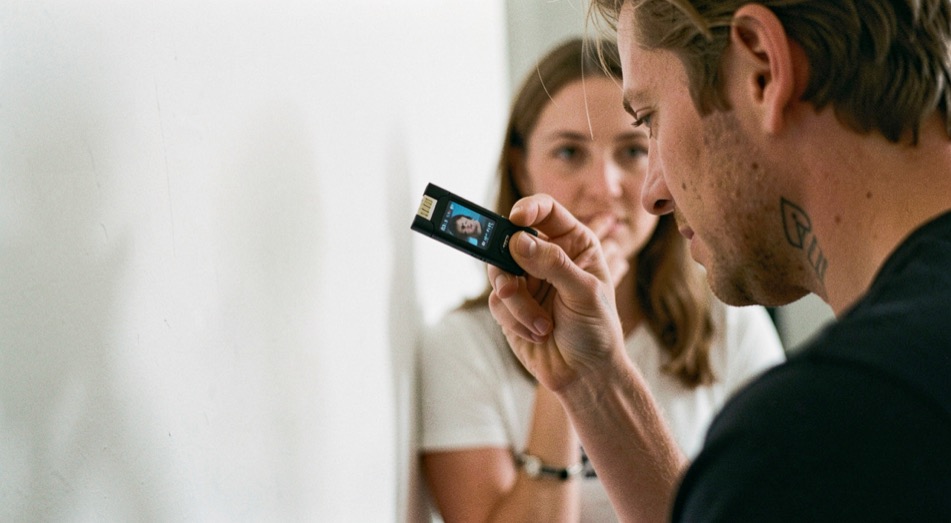
Find the bounce surface
A nearby pale wall or ceiling can turn a small flash into a larger source. A dark or coloured surface may make the result weak or tinted, so inspect it before the moment starts.
Think in the direction of the bounce
The light comes from the surface, not from the flash head. Angle the head so the imagined source falls where you want the face to be described.
Keep ambient colour
Balance the flash with the room instead of replacing it. The reception, hallway or dance floor should retain its atmosphere while the subject remains readable.
Find the surface that became the light
Stand where the subject will stand and look for a pale wall or ceiling that can receive the flash. Imagine the source coming from that surface, then angle the head so the light returns from a useful direction. Make a frame with the flash off, one with the bounce on and one with a slightly different angle. The shadow under the chin and the brightness of the background will tell you more than the flash power number.
Bounce fails when the surface is too far, too dark or strongly coloured, and it fails when the photographer forgets that the light now travels a longer route. Raise ISO or open the lens when that is the honest compromise. In a crowded room, keep the flash head position repeatable and watch for people moving into a different distance. Intentional bounce is a small lighting plan carried in the hand.
Keep a field record
When the room changes, photograph the bounce surface before the subject if time allows. Its colour, height and distance predict whether the next frame will be neutral or tinted and whether the light will arrive from above, the side or too far behind. Record one successful angle in the job notes. A small sketch is enough. This turns bounce from a reflex into a repeatable method and lets another photographer cover the room without guessing what the first person saw.
Know the limit
Bounce is not always gentle. A nearby ceiling can create a short top light, and a wall behind the subject can send the light in a direction that looks like a second window. Watch the eyes and the jawline in the test frame. If the face feels hollow, change the angle or add a small amount of forward fill rather than increasing power without a plan. The room’s architecture is part of the lighting kit, so learn its surfaces before the guests fill the space.
Example from the field
Example: in a narrow room, bounce from the pale wall beside the subject rather than the ceiling overhead. The face receives light from the side and the room keeps its depth. If a green wall is the only surface, record the colour cast and decide whether it belongs to the scene. A small change in angle can be more useful than a larger flash output because direction controls the shadow.